

Viagra: options, comparison of approaches, and how to choose the right solution
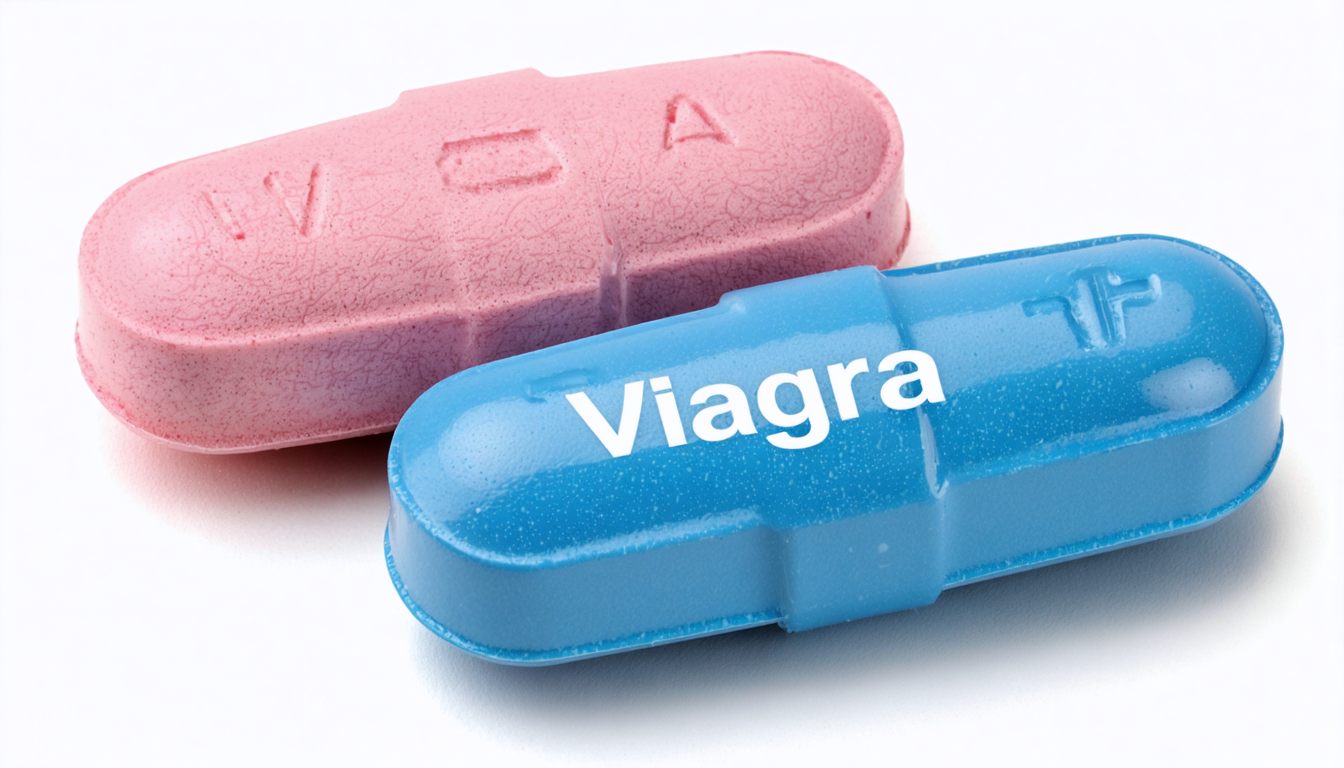
“Viagra”: options and how to choose the right one
Disclaimer: This material is for educational purposes only and does not replace consultation with a qualified healthcare professional. Erectile dysfunction (ED) may be associated with cardiovascular, endocrine, neurological, or psychological conditions. Do not start or change treatment without medical advice.
Who needs it and what goals are common
Viagra (sildenafil) is a prescription medication used to treat erectile dysfunction—difficulty achieving or maintaining an erection sufficient for sexual activity. The main goals of therapy vary:
- Restore reliable erectile function.
- Improve confidence and quality of life.
- Support intimate relationships.
- Address ED related to stress, chronic disease, or lifestyle factors.
Men with diabetes, hypertension, cardiovascular disease, obesity, sedentary lifestyle, or high stress levels often report ED symptoms. Athletes and physically active men may also experience performance-related anxiety, which is discussed in our Sports health insights section.
Options for managing erectile dysfunction: comparison of approaches
1. Sildenafil (brand-name Viagra)
When used: First-line oral treatment for ED, taken 30–60 minutes before sexual activity.
Pros:
- Clinically proven efficacy.
- Well-studied safety profile.
- On-demand use.
Cons:
- Effect lasts about 4–6 hours.
- May cause headache, flushing, nasal congestion.
- Less effective after heavy meals.
Limitations/risks: Contraindicated with nitrates; caution in cardiovascular disease. Possible visual disturbances and blood pressure changes.
When to discuss with a doctor: History of heart disease, stroke, low blood pressure, retinitis pigmentosa, or if taking antihypertensives.
2. Generic sildenafil
When used: Same indication as brand-name medication; contains the same active ingredient.
Pros:
- Lower cost.
- Comparable effectiveness.
Cons:
- Variability between manufacturers.
- Risk of counterfeit products online.
Limitations/risks: Identical pharmacological precautions as branded sildenafil.
When to discuss with a doctor: If switching formulations or experiencing new side effects.
Read more about medication quality standards in our Education resources section.
3. Other PDE5 inhibitors (tadalafil, vardenafil, avanafil)
When used: Alternative oral therapies when sildenafil is ineffective or poorly tolerated.
Pros:
- Tadalafil offers longer duration (up to 36 hours).
- Flexible dosing (daily low-dose option).
- Comparable effectiveness.
Cons:
- Similar side effects (headache, dyspepsia).
- Cost differences.
Limitations/risks: Same nitrate contraindication; caution with alpha-blockers.
When to discuss with a doctor: If planning spontaneous sexual activity over a longer window or needing daily therapy.
4. Lifestyle modification and risk-factor control
When used: Mild ED, early symptoms, or as adjunct to medication.
Pros:
- Improves overall cardiovascular health.
- No pharmacological side effects.
- Long-term benefits.
Cons:
- Requires consistency and time.
- Results may be gradual.
Limitations/risks: None significant; improper exercise without supervision may pose injury risk.
When to discuss with a doctor: Before starting intensive exercise if you have heart disease or metabolic disorders.
Our LifeStyle wellness guide covers nutrition, sleep, and stress management strategies that complement medical treatment.
5. Psychological counseling and sex therapy
When used: Performance anxiety, depression, relationship issues, or mixed causes.
Pros:
- Addresses root psychological triggers.
- Improves communication between partners.
Cons:
- Requires time and commitment.
- Access may be limited in some regions.
Limitations/risks: Minimal medical risk; emotional discomfort during sessions possible.
When to discuss with a doctor: If ED persists despite normal physical findings.
Comprehensive comparison table: ED treatment approaches
| Approach | For whom | Effect/expectations | Risks | Notes |
|---|---|---|---|---|
| Brand sildenafil | Men seeking proven on-demand therapy | Erection support within 30–60 min | Headache, flushing, BP drop | Avoid nitrates |
| Generic sildenafil | Cost-conscious patients | Comparable to brand | Same as above | Buy from licensed pharmacies |
| Tadalafil | Those wanting longer duration | Up to 36-hour window | Back pain, dyspepsia | Daily low-dose option |
| Lifestyle changes | Mild ED or prevention | Gradual improvement | Minimal | Best combined with medical care |
| Psychological therapy | Stress-related ED | Improved confidence | Low medical risk | Partner involvement helpful |
For technology-driven health monitoring (fitness trackers, BP monitoring), see our Technology in healthcare section.
Common mistakes and misconceptions when choosing
- Assuming higher dose = better effect. Overdosing increases side effects without guaranteed benefit.
- Ignoring cardiovascular health. ED may be an early marker of vascular disease.
- Buying from unverified online sources. Risk of counterfeit medication.
- Expecting automatic erection. Sexual stimulation is still required.
- Stopping after one attempt. Effectiveness may vary depending on context and timing.
Mini-guide to preparing for a consultation
Bring or prepare:
- List of current medications and supplements.
- History of chronic diseases (diabetes, hypertension).
- Recent lab results (lipid panel, glucose, testosterone if available).
- Blood pressure records.
Track symptoms:
- Duration and frequency of ED.
- Presence of morning erections.
- Stress levels or relationship factors.
Questions to ask:
- Is my ED likely physical, psychological, or mixed?
- Which dose is appropriate?
- Are there safer alternatives considering my health profile?
FAQ
1. How long does sildenafil last?
Typically 4–6 hours, though responsiveness varies.
2. Can I take it daily?
Standard sildenafil is usually taken as needed. Daily regimens are more common with tadalafil. Discuss individualized plans with your doctor.
3. Is it safe with high blood pressure?
Often yes, but only under medical supervision, especially if taking antihypertensives.
4. Does it increase sexual desire?
No. It improves blood flow but does not directly affect libido.
5. Can younger men use it?
Yes, if clinically indicated. Psychological causes are more common in younger populations.
6. What if it doesn’t work?
Your doctor may adjust dosage, suggest another PDE5 inhibitor, or investigate hormonal or vascular causes.
7. Are there natural alternatives?
Lifestyle measures help but are not direct substitutes for prescription therapy in moderate-to-severe ED. See our Uncategorized health discussions for broader wellness topics.
8. Is ED related to sports performance?
Overtraining, stress, and certain supplements may influence sexual health. Learn more in our Tennis and performance health articles.
Sources
- U.S. Food and Drug Administration (FDA) – Sildenafil prescribing information.
- American Urological Association (AUA) Guidelines on Erectile Dysfunction.
- European Association of Urology (EAU) Guidelines on Sexual and Reproductive Health.
- Mayo Clinic – Erectile dysfunction overview.
- National Institute of Diabetes and Digestive and Kidney Diseases (NIDDK) – Erectile Dysfunction.